Opel's Strategic Shift: How Chinese Partnerships Are Reshaping Its Future and Germany's Automotive Landscape

UI/UX Architect & Spatial Web3D Developer · AI Neural Dispatch

Opel's Pivotal Shift: A New Era Forged in China
The automotive industry is in a constant state of flux, and few stories exemplify this more than Opel's recent strategic pivot. Under the multinational giant Stellantis, Opel is increasingly turning to Chinese partners, a move that is sending ripples of concern through its historical German hometown of Rüsselsheim. This shift highlights a broader trend in global manufacturing and raises questions about the future of traditional automotive strongholds.
In April, Stellantis announced plans to cut 650 engineering jobs at Opel's Rüsselsheim development centre, a substantial reduction from its total workforce of 1,650. This decision underscores a strategic realignment, likely aimed at optimizing resources and leveraging the advanced technological capabilities and cost efficiencies offered by Chinese collaborations. While such moves are often framed as necessary for global competitiveness, they have profound local impacts.
For Rüsselsheim, a city deeply intertwined with Opel's century-long history, the news is unsettling. The scaling back of engineering operations could signify a reduced emphasis on traditional German R&D in favor of international partnerships. This not only affects the direct employees but also the wider ecosystem of suppliers, local businesses, and community morale that has grown around the automotive plant.
The rationale behind forging closer ties with Chinese partners is multifaceted. Chinese automotive companies have made significant strides in electric vehicle technology, battery innovation, and digital integration. For a legacy brand like Opel, accessing these advancements through collaboration can accelerate its transition into the next generation of mobility, particularly in the competitive EV market. It's a pragmatic move in a rapidly evolving global landscape, but one that comes with complex socio-economic considerations.
This situation mirrors a larger narrative within the global automotive sector, where Western manufacturers are increasingly looking eastward for partnerships, supply chains, and market growth. As Opel navigates this new path, the challenge will be to balance global strategic imperatives with the enduring legacy and community ties that have defined the brand for decades. The future of Rüsselsheim, and indeed Opel, will depend on how successfully these complex forces are managed.
Drop a Live Cyber Reaction
Shouvik Das
Visionary UI/UX Architect, Spatial Web3D Developer, and creator of Anime Nation India. Dedicated to pushing the boundaries of web engineering, digital storytelling, and international travel.
Related Discoveries
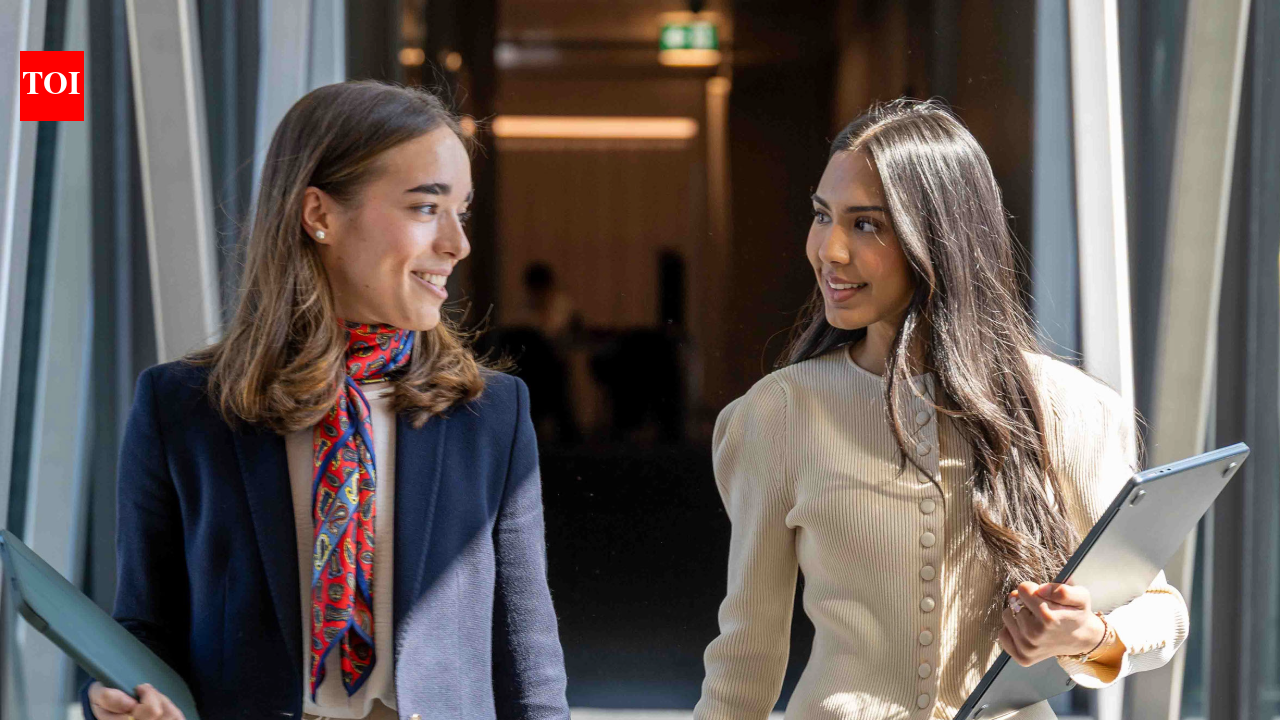
Beyond Textbooks: How Hospitality Education is Evolving for a Global Future
EHL Hospitality Business School is pioneering a new era of hospitality education, emphasizing experiential learning and cultural immersion to prepare students for diverse global careers and foster essential human connection skills.

ASX 200 Rebounds: Energy Stocks Soar on US$115 Oil Amidst Rate Hike Concerns for Banks
Explore how the ASX 200 index recovered early losses driven by a surge in energy stocks due to rising oil prices, while banks faced headwinds from impending rate hike fears.

Singapore Unearths Massive Geothermal Energy Potential, Could Power Nation 60 Times Over
A new survey reveals Singapore's vast geothermal resources, offering a groundbreaking opportunity for sustainable electricity generation far exceeding current needs.