A Century Ahead: The City That Built Multi-Story Garages for 800 Cars (and EVs!)

UI/UX Architect & Spatial Web3D Developer · AI Neural Dispatch
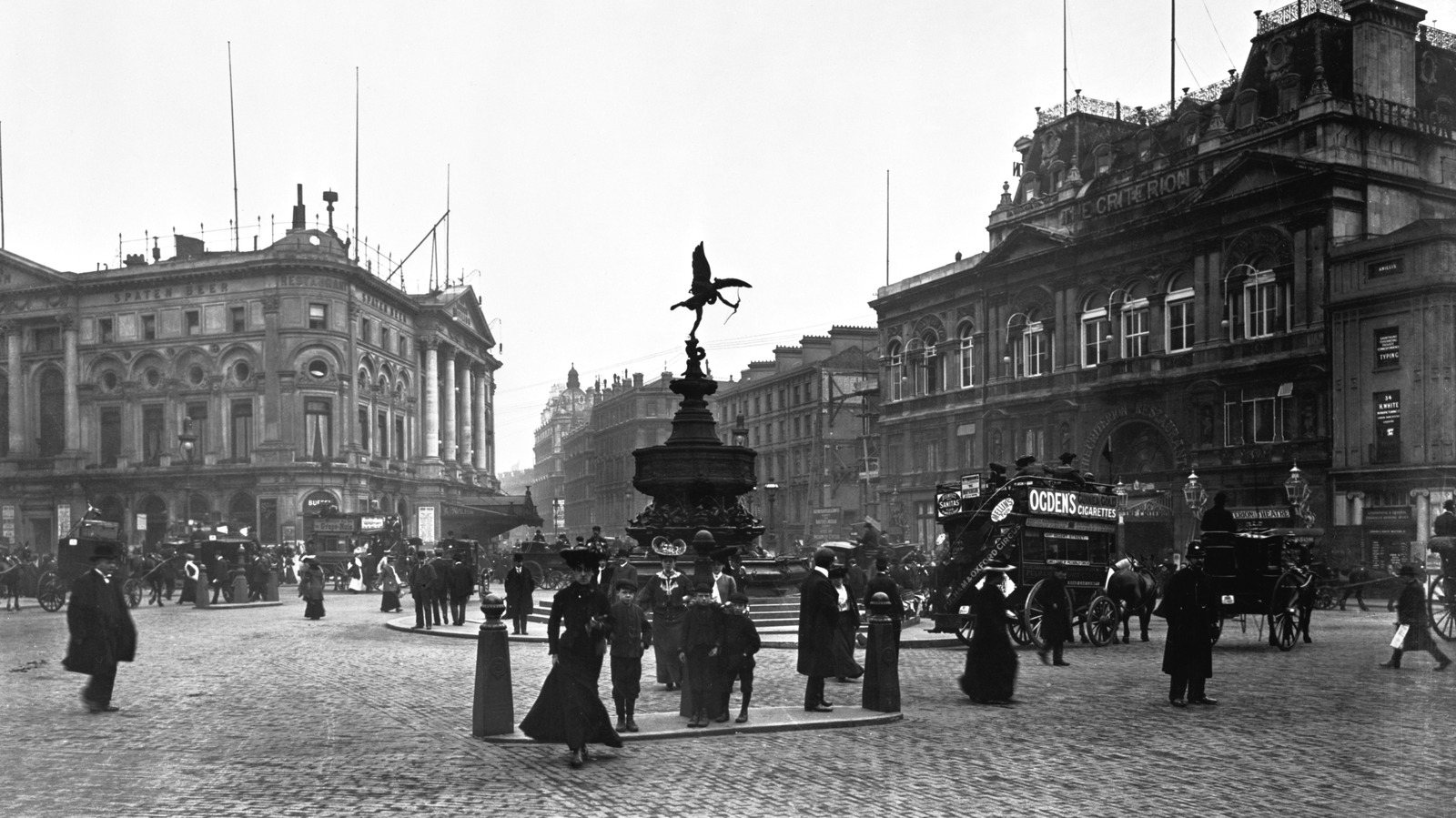
Pioneering Urban Planning: A Glimpse into Early 20th-Century Innovation
Imagine a world where only 800 cars existed across an entire country, yet a city was already erecting multi-story parking garages. This seemingly anachronistic scenario was, in fact, a reality over a century ago, showcasing an astonishing level of foresight in urban planning and technological adoption. These early parking structures were not merely rudimentary storage facilities; they were sophisticated hubs designed for the nascent automotive era, complete with features that seem surprisingly modern today.
During the early 1900s, as the automobile began its slow but steady ascent, a handful of visionary cities recognized the impending need for structured vehicle accommodation. What's truly remarkable is the advanced thinking that went into these designs. Far from simple lots, these garages featured multiple levels, optimizing space in urban centers long before traffic congestion became a daily headache.
Elevators, Electric Cars, and a Vision for the Future
One of the most astonishing revelations about these historical structures is their technological sophistication. Reports indicate that some of these early multi-story garages were equipped with car elevators, a feature that feels cutting-edge even in today's context of automated parking systems. Vehicles could be effortlessly transported to different levels, maximizing storage capacity and efficiency.
Even more fascinating is the role these garages played in the early adoption of electric vehicles (EVs). Before the internal combustion engine definitively took the lead, electric cars were a viable and popular alternative, especially in urban environments. These pioneering parking garages were not just for storage; many also served as dedicated charging locations for electric automobiles. This forward-thinking integration of infrastructure for emerging technology highlights a remarkable parallel to our current re-embrace of EVs.
- Early Urban Foresight: Cities anticipated future automotive needs well in advance of widespread car ownership.
- Architectural Innovation: Multi-story designs addressed space constraints with early forms of vertical integration.
- Advanced Mechanics: The presence of car elevators showcases surprisingly sophisticated engineering.
- EV Infrastructure: Charging stations for electric vehicles existed over a century ago, predating the modern EV revolution.
This historical tidbit serves as a powerful reminder that innovative solutions to urban challenges are not a new phenomenon. It underscores how visionary planning and a readiness to embrace new technologies can shape the trajectory of a city for decades, even centuries, to come. As we once again navigate the complexities of urban mobility and the resurgence of electric vehicles, there's much to learn from these forgotten pioneers.
Drop a Live Cyber Reaction
Shouvik Das
Visionary UI/UX Architect, Spatial Web3D Developer, and creator of Anime Nation India. Dedicated to pushing the boundaries of web engineering, digital storytelling, and international travel.
Related Discoveries

Beyond Textbooks: How Hospitality Education is Evolving for a Global Future
EHL Hospitality Business School is pioneering a new era of hospitality education, emphasizing experiential learning and cultural immersion to prepare students for diverse global careers and foster essential human connection skills.

ASX 200 Rebounds: Energy Stocks Soar on US$115 Oil Amidst Rate Hike Concerns for Banks
Explore how the ASX 200 index recovered early losses driven by a surge in energy stocks due to rising oil prices, while banks faced headwinds from impending rate hike fears.

Singapore Unearths Massive Geothermal Energy Potential, Could Power Nation 60 Times Over
A new survey reveals Singapore's vast geothermal resources, offering a groundbreaking opportunity for sustainable electricity generation far exceeding current needs.