Delhi's Air: Unpacking a Decade of Change in Pollution Sources

UI/UX Architect & Spatial Web3D Developer · AI Neural Dispatch
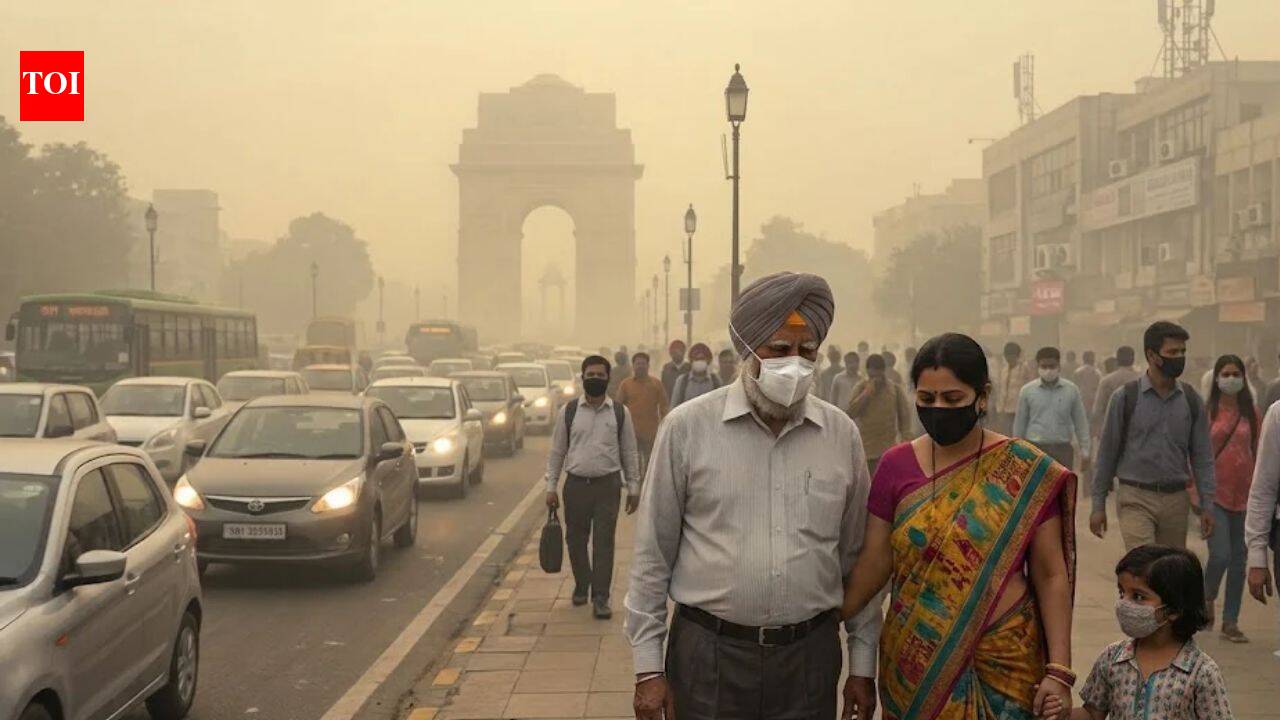
A Closer Look at Delhi's Air: Decoding a Decade of Pollution Evolution
Delhi's battle with air pollution is a well-documented and pressing environmental crisis. To formulate effective mitigation strategies, it's crucial to understand the intricate and shifting nature of pollution sources. A significant new study is now underway, aiming to provide an updated and high-resolution understanding of how Delhi's toxic air mix has transformed over the past decade.
This comprehensive research initiative seeks to generate an updated emission inventory, a detailed catalog of all pollution sources and the types and amounts of pollutants they release. The current understanding of Delhi's pollution profile is largely based on data that is now a decade old. Given rapid urbanization, industrial growth, and changes in lifestyle, a fresh assessment is not just beneficial, but imperative.
High-Resolution Mapping for Accurate Insights
The new study employs advanced methodologies, including high-resolution mapping and rigorous ground verification. This ensures that the data collected is as accurate and precise as possible, moving beyond broader estimates to pinpoint specific areas and activities contributing to the city's poor air quality. Such granular detail is invaluable for policymakers looking to implement targeted interventions.
A consortium of research institutions is collaborating on this ambitious project, pooling expertise and resources to tackle one of India's most significant environmental challenges. Their work will involve extensive data collection, analysis of various pollutants, and modeling to predict future trends, offering a clearer picture of the atmospheric chemistry impacting millions of residents.
Why Updated Data Matters for Public Health and Policy
Understanding the exact composition and origin of air pollutants is critical for public health. Different sources, such as vehicular emissions, industrial discharge, construction dust, and agricultural burning, contribute varying levels of harmful particulate matter and gases. An updated inventory will allow authorities to prioritize interventions, allocate resources more efficiently, and develop policies that are truly responsive to the current environmental realities.
For instance, if the study reveals a significant increase in emissions from a particular sector, policy efforts can be redirected to regulate that area more stringently or promote cleaner technologies. Ultimately, this research is a vital step towards breathing cleaner air in Delhi, offering hope for a healthier future for its citizens through science-backed environmental governance.
Drop a Live Cyber Reaction
Shouvik Das
Visionary UI/UX Architect, Spatial Web3D Developer, and creator of Anime Nation India. Dedicated to pushing the boundaries of web engineering, digital storytelling, and international travel.
Related Discoveries

Understanding Sedated Vaccinations: A Look at Pediatric Care at Children's Hospital Colorado
A recent publication confirms that Children's Hospital Colorado has administered vaccines to over 18,000 pediatric patients while under deep sedation or general anesthesia, a practice aimed at benefiting neurologically vulnerable children.

Protein Power and Price Hike: How New Federal Diet Advice Impacts Your Grocery Bill
Federal dietary guidelines emphasizing protein at every meal are contributing to rising costs for staples like ground beef and strawberries, prompting consumers to explore more affordable, healthy alternatives.
The Ultimate Guide to Slime Elasticity: Unlocking the Science of the Perfect Stretch
Ever wondered why some slime stretches effortlessly while others tear apart? Dive into the fascinating science behind slime elasticity, exploring the crucial ingredients, mixing techniques, and environmental factors that dictate its perfect stretch.