Teen Innovator Transforms Food Waste into Biodegradable Paper Towels: A Green Solution for Everyday Use

UI/UX Architect & Spatial Web3D Developer · AI Neural Dispatch

From Kitchen Scraps to Eco-Friendly Clean-Up: A Teen's Revolutionary Innovation
Imagine turning your leftover fruit peels and vegetable trimmings into something genuinely useful – like the paper towels you use every day. This isn't a futuristic dream; it's the groundbreaking reality brought to life by a brilliant 17-year-old student. This young innovator has developed a method to transform common food waste into functional, biodegradable paper towels, offering a remarkable solution to both waste management and the demand for sustainable household products.
The project delves deep into the potential of cellulose fibers, abundant in discarded food items. By carefully extracting and processing these fibers, the student successfully created absorbent sheets. But the innovation didn't stop there. To enhance the durability and practical usability of these eco-friendly towels, pectin and calcium ions were incorporated into the material, resulting in robust and effective absorbent sheets that stand up to everyday messes.
The Science Behind Sustainable Paper
This ingenious project leverages fundamental principles of material science and biochemistry. Cellulose, a primary component of plant cell walls, is renowned for its strength and absorbency. By isolating and restructuring these fibers from food waste, the student effectively repurposes what would otherwise end up in landfills, contributing to greenhouse gas emissions.
The addition of pectin, a natural polysaccharide found in fruits, acts as a binder, while calcium ions further cross-link the material, enhancing its structural integrity and wet strength. This scientific approach ensures that the biodegradable paper towels are not just environmentally friendly but also practical and durable for consumer use. It's a testament to how creative thinking combined with scientific understanding can yield impactful solutions to global challenges.
Why This Innovation Matters for Our Planet:
- Waste Reduction: Diverts organic waste from landfills, reducing methane emissions.
- Sustainable Resource: Utilizes readily available 'waste' as a raw material, lessening reliance on virgin wood pulp.
- Biodegradability: Offers an eco-friendly alternative to conventional paper towels that can take centuries to decompose.
- Inspiring Future Innovators: Showcases the power of youth innovation in addressing environmental issues.
- Circular Economy Potential: Demonstrates a viable model for turning waste streams into valuable products.
This student's innovative project is more than just a scientific experiment; it's a powerful statement about the potential of sustainable practices and the ingenuity of the next generation. As we grapple with increasing environmental concerns, solutions like these offer a hopeful glimpse into a future where waste is not merely discarded but thoughtfully repurposed, making our everyday lives a little greener, one paper towel at a time.
Drop a Live Cyber Reaction
Shouvik Das
Visionary UI/UX Architect, Spatial Web3D Developer, and creator of Anime Nation India. Dedicated to pushing the boundaries of web engineering, digital storytelling, and international travel.
Related Discoveries
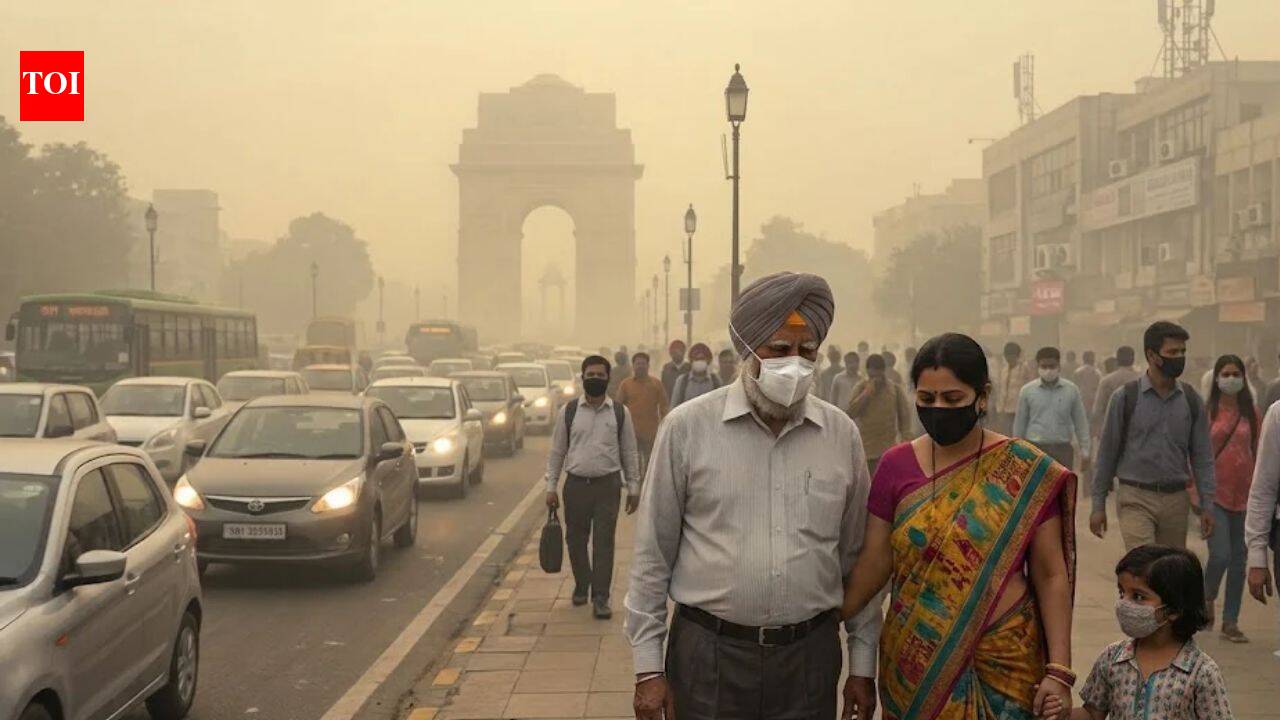
Delhi's Air: Unpacking a Decade of Change in Pollution Sources
A new, high-resolution study is underway in Delhi to precisely map how the city's air pollution sources have evolved over the last decade, providing critical data for effective environmental strategies.

Understanding Sedated Vaccinations: A Look at Pediatric Care at Children's Hospital Colorado
A recent publication confirms that Children's Hospital Colorado has administered vaccines to over 18,000 pediatric patients while under deep sedation or general anesthesia, a practice aimed at benefiting neurologically vulnerable children.
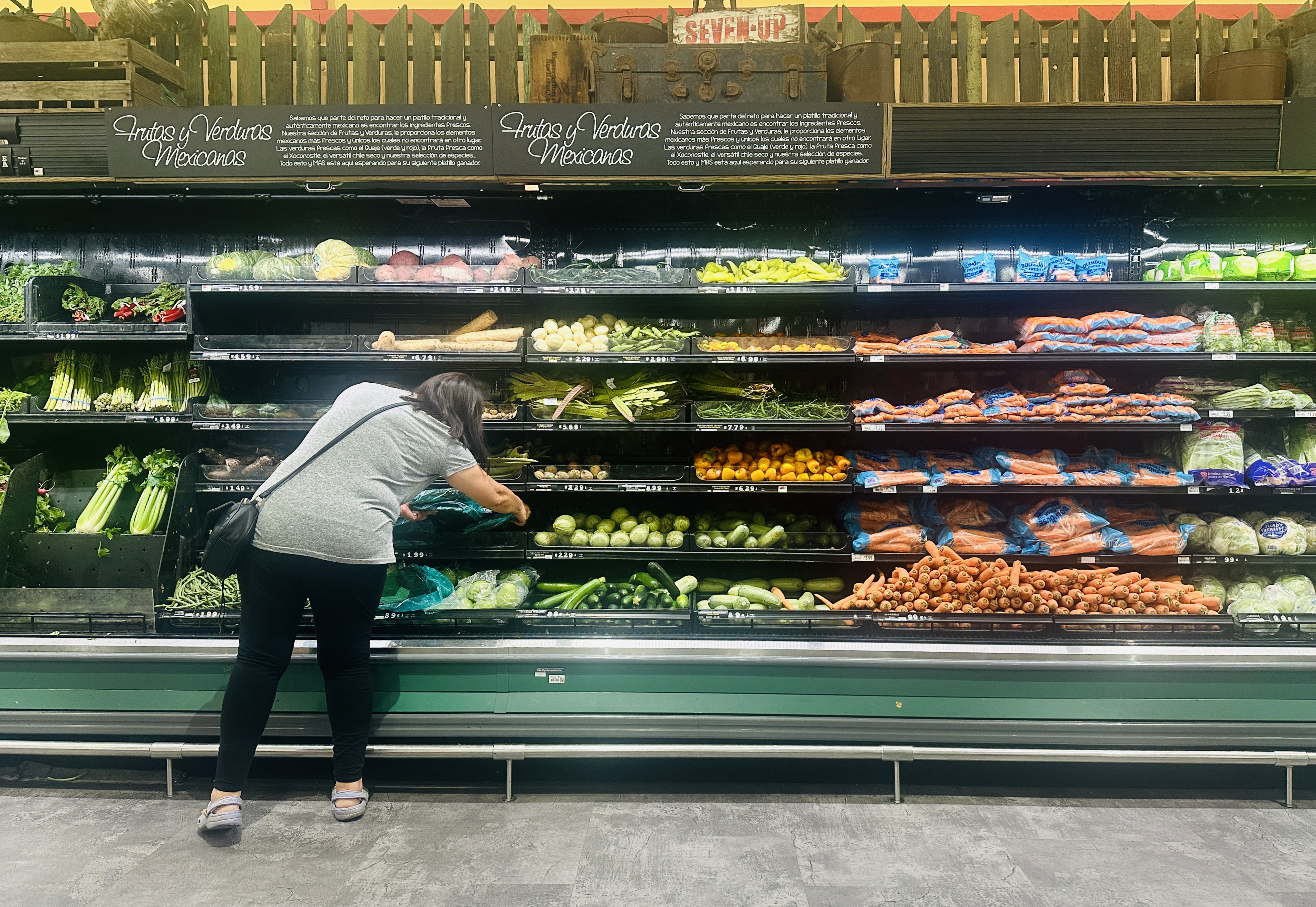
Protein Power and Price Hike: How New Federal Diet Advice Impacts Your Grocery Bill
Federal dietary guidelines emphasizing protein at every meal are contributing to rising costs for staples like ground beef and strawberries, prompting consumers to explore more affordable, healthy alternatives.