Silent Swearing: The Surprising Science Behind How Cursing Boosts Endurance, Not Strength

UI/UX Architect & Spatial Web3D Developer · AI Neural Dispatch
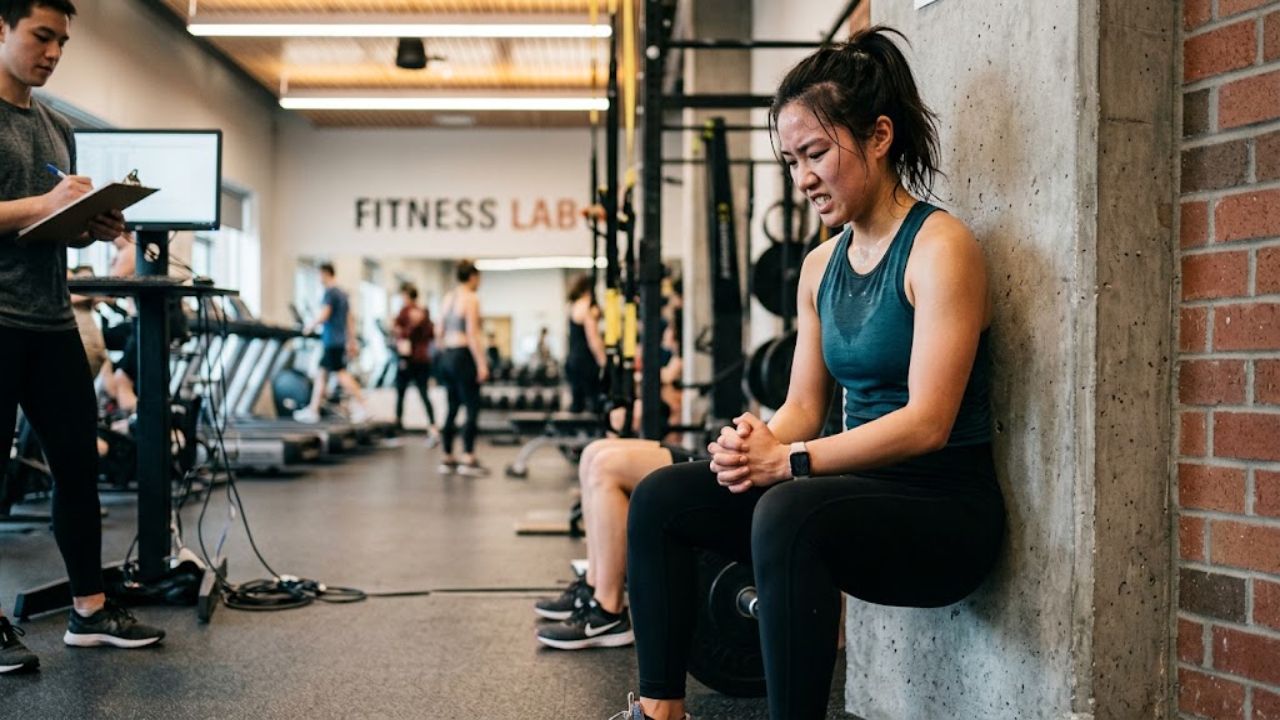
The Power of Profanity? Silent Swearing and Physical Endurance Explored
It turns out that a little bit of internal colorful language might actually help you push through physical discomfort, at least in certain contexts. A recent crossover study involving 42 participants has shed fascinating light on the impact of 'silent swearing' on physical endurance, revealing that this quiet form of profanity significantly improved performance in bodyweight exercises like the wall sit and plank. However, for sheer brute force tasks like grip strength, the effect was found to be negligible.
Understanding the Study's Findings
Researchers designed a controlled crossover study where participants engaged in various physical tests under different conditions. The key distinction was whether they were silently repeating a swear word or a neutral word during the exertion. The results were quite clear: when it came to exercises that demand sustained effort against discomfort, such as holding a plank position or enduring a wall sit, the silent swearers consistently outperformed their neutral-word counterparts.
- Plank Endurance: Participants were able to maintain a plank position for longer durations.
- Wall Sit Endurance: Similar improvements were observed in how long individuals could hold a wall sit.
- Grip Strength: Notably, no measurable difference was found in grip strength tests, indicating that the benefits of silent swearing are specific to endurance-based tasks rather than maximal strength output.
Why Does it Work for Endurance?
The precise mechanisms behind this phenomenon are still being explored, but theories suggest that swearing, even silently, can act as a form of mild stress-induced analgesia. It might trigger a 'fight or flight' response that temporarily dulls pain perception, allowing individuals to push past their perceived limits of discomfort. This temporary boost in pain tolerance appears more effective for activities requiring prolonged suffering rather than an immediate burst of power.
While this study provides an intriguing glimpse into the psychological aspects of physical performance, it's important to remember that it's a relatively small sample size. Future research will undoubtedly delve deeper into the neurobiological processes at play and explore broader applications of these findings, perhaps even offering new insights for athletes and fitness enthusiasts looking for a mental edge.
Drop a Live Cyber Reaction
Shouvik Das
Visionary UI/UX Architect, Spatial Web3D Developer, and creator of Anime Nation India. Dedicated to pushing the boundaries of web engineering, digital storytelling, and international travel.
Related Discoveries

Delhi's Air: Unpacking a Decade of Change in Pollution Sources
A new, high-resolution study is underway in Delhi to precisely map how the city's air pollution sources have evolved over the last decade, providing critical data for effective environmental strategies.

Understanding Sedated Vaccinations: A Look at Pediatric Care at Children's Hospital Colorado
A recent publication confirms that Children's Hospital Colorado has administered vaccines to over 18,000 pediatric patients while under deep sedation or general anesthesia, a practice aimed at benefiting neurologically vulnerable children.

Protein Power and Price Hike: How New Federal Diet Advice Impacts Your Grocery Bill
Federal dietary guidelines emphasizing protein at every meal are contributing to rising costs for staples like ground beef and strawberries, prompting consumers to explore more affordable, healthy alternatives.