The Himalayas' Strategic Warning: Climate, Geography, and Security Converge

UI/UX Architect & Spatial Web3D Developer · AI Neural Dispatch
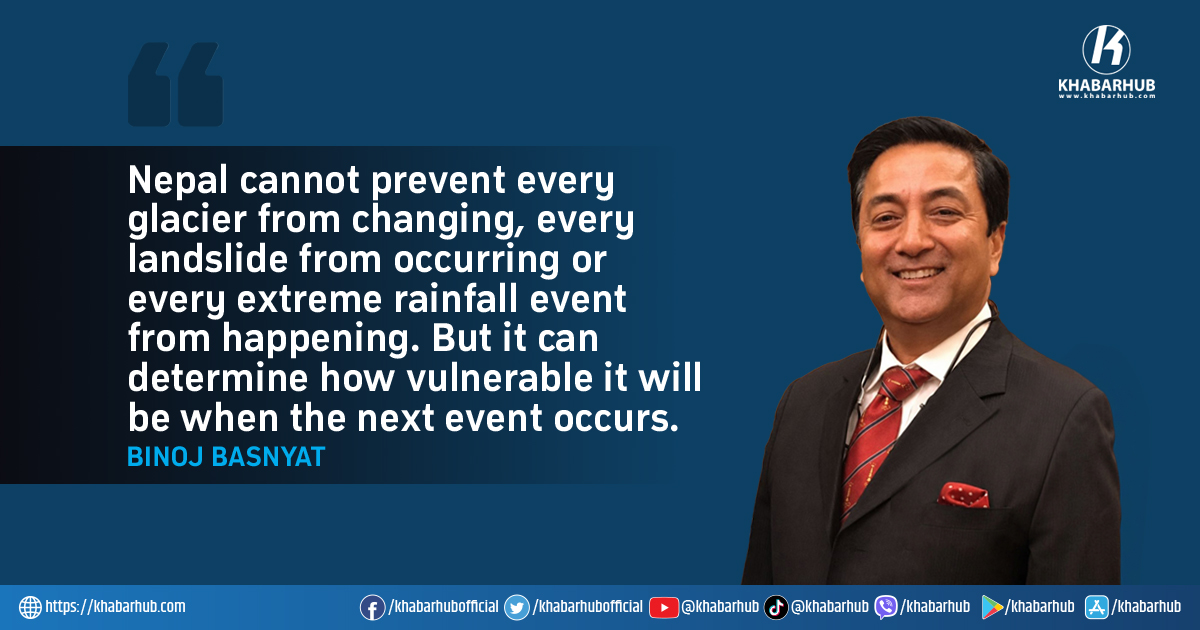
The Himalayas' Strategic Warning: Climate, Geography, and Security Converge
The recent catastrophic flash floods in the Himalayas, particularly the incident on August 26th, are far more than isolated natural disasters. They represent a potent and strategic warning that demands urgent attention, signaling a dangerous convergence of climate change impacts, inherent geographical vulnerabilities, strained infrastructure, and escalating security concerns. This complex interplay presents an existential challenge, particularly for nations like Nepal, which must develop a comprehensive, multi-faceted response.
A Region Under Immense Pressure
The Himalayan region, often referred to as the 'Third Pole' due to its vast ice reserves, is warming at an alarming rate, significantly faster than the global average. This accelerated warming leads to:
- Glacial Melt: Rapid melting of glaciers forms glacial lakes, which can burst, causing devastating floods downstream.
- Intensified Rainfall: Climate change is contributing to more extreme and unpredictable weather patterns, including torrential downpours that trigger landslides and flash floods.
- Erosion and Instability: Weakened slopes due to changing weather patterns and seismic activity increase the risk of massive land movements.
These environmental shifts directly interact with the region's complex geography, creating a highly volatile landscape.
The Convergence of Crises
The 'strategic warning' articulated by the recent floods stems from how these environmental changes intersect with other critical dimensions:
- Infrastructure Vulnerability: Existing infrastructure, including roads, bridges, and hydropower projects, is often ill-equipped to withstand the force of these intensified natural events. Damage to critical infrastructure can cripple economies, disrupt supply chains, and isolate communities.
- Security Implications: Environmental degradation and resource scarcity, particularly water, can exacerbate existing geopolitical tensions in a region shared by several nuclear powers. Mass displacement due to disasters can also lead to internal instability and cross-border migration challenges.
- Humanitarian Crisis: The immediate aftermath of such floods brings immense human suffering, loss of life, and destruction of livelihoods, requiring extensive relief and rehabilitation efforts that strain national resources.
For Nepal, positioned at the heart of this vulnerable region, these convergences pose an immediate threat to its development, stability, and future. The country's reliance on mountain resources and hydropower makes it particularly susceptible.
The Imperative for a Strategic Response
Responding to this strategic warning requires more than just disaster management. It necessitates a holistic approach that includes:
- Climate Adaptation: Investing in climate-resilient infrastructure, early warning systems, and sustainable land management practices.
- Regional Cooperation: Collaborative efforts with neighboring countries to manage transboundary rivers and share climate data.
- Policy Integration: Mainstreaming climate and disaster risk reduction into national development planning and security strategies.
- International Support: Advocating for global climate action and securing international funding and expertise for adaptation and mitigation efforts.
The Himalayas are not just sending a warning; they are issuing an urgent call to action. Failing to respond strategically to this confluence of challenges could have profound and irreversible consequences for the region and beyond.
Drop a Live Cyber Reaction
Shouvik Das
Visionary UI/UX Architect, Spatial Web3D Developer, and creator of Anime Nation India. Dedicated to pushing the boundaries of web engineering, digital storytelling, and international travel.
Related Discoveries
Delhi's Air: Unpacking a Decade of Change in Pollution Sources
A new, high-resolution study is underway in Delhi to precisely map how the city's air pollution sources have evolved over the last decade, providing critical data for effective environmental strategies.

Understanding Sedated Vaccinations: A Look at Pediatric Care at Children's Hospital Colorado
A recent publication confirms that Children's Hospital Colorado has administered vaccines to over 18,000 pediatric patients while under deep sedation or general anesthesia, a practice aimed at benefiting neurologically vulnerable children.

Protein Power and Price Hike: How New Federal Diet Advice Impacts Your Grocery Bill
Federal dietary guidelines emphasizing protein at every meal are contributing to rising costs for staples like ground beef and strawberries, prompting consumers to explore more affordable, healthy alternatives.